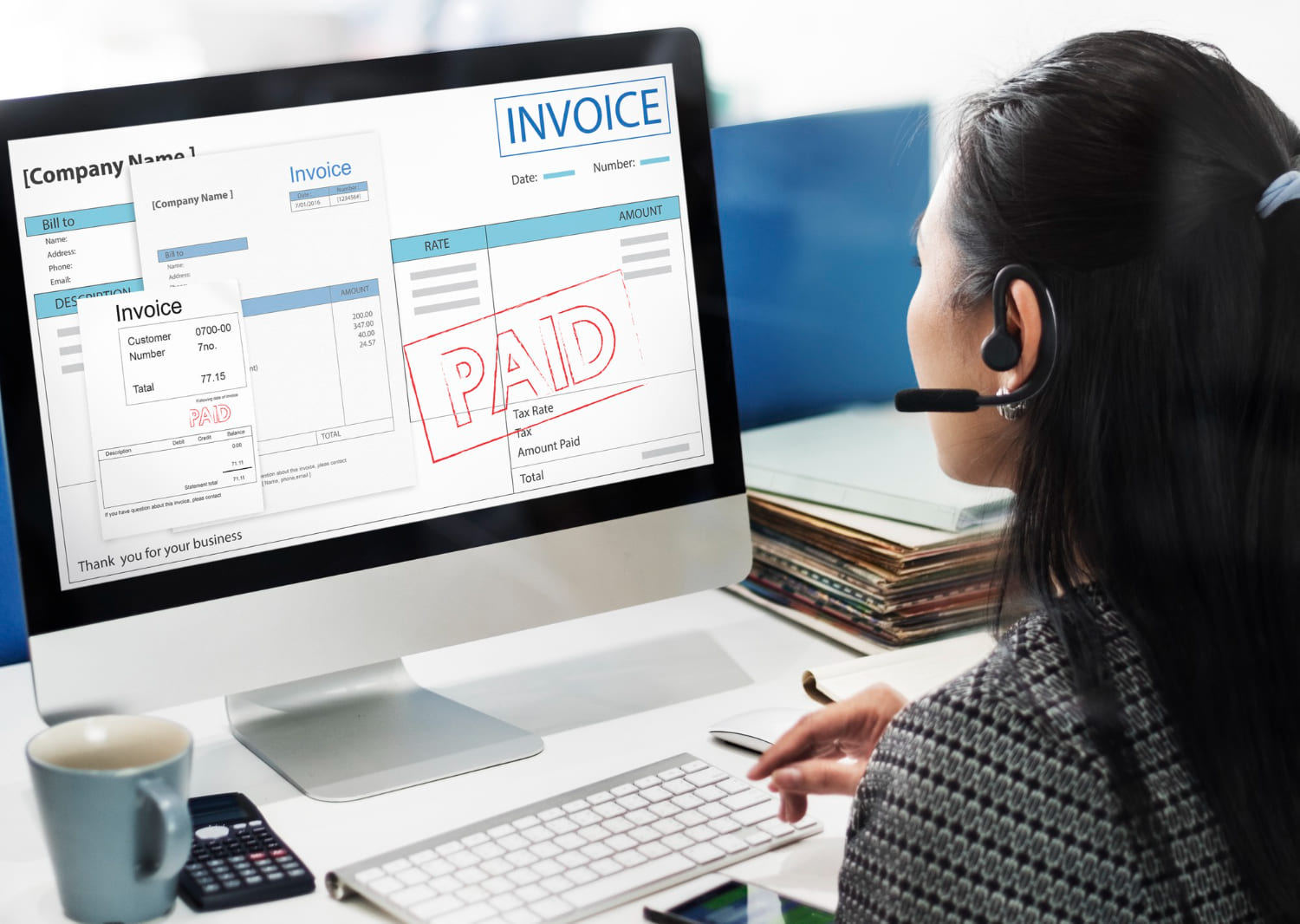


The UAE is moving toward electronic invoicing, and businesses should start preparing now rather than waiting for mandatory phases to reach them. The UAE eInvoicing pilot programme is set to begin on 1 July 2026, which makes 2026 an important preparation year for companies that want to stay ahead of compliance, improve invoice accuracy, and avoid operational disruption later.
For many business owners, the issue is not only tax compliance. It is also about whether their finance processes, invoicing tools, documentation, and internal controls are ready for a more structured environment. If your company is still issuing invoices through disconnected software, spreadsheets, or manual workflows, this is the right time to review your systems.
What Is UAE eInvoicing?
eInvoicing is not simply sending a PDF by email. It refers to an invoice that is issued, transmitted, and received in a structured data format that allows automatic electronic processing. In practice, this means businesses will gradually move toward more standardized, system-based invoice exchange rather than relying on unstructured files alone.
This matters because businesses in the UAE are already operating in a more compliance-focused environment shaped by VAT, Corporate Tax, record-keeping obligations, and increasing attention to transaction accuracy. eInvoicing is part of that wider shift.
When Does eInvoicing Start in the UAE?
The key date businesses should note is 1 July 2026. The UAE eInvoicing pilot programme starts on that date, and businesses may also begin voluntary implementation from the same day.
Another important milestone applies to larger businesses. Businesses with annual revenue of AED 50,000,000 or more are expected to appoint an accredited service provider by 31 July 2026 and implement the electronic invoicing system from 1 January 2027.
So even if your business is not in the first mandatory phase, this is still the right time to review readiness.
Who Should Start Preparing Now?
The short answer is: almost every active business should start preparing at some level.
Businesses that should act sooner include:
- companies with high invoice volumes
- VAT-registered businesses
- groups with multiple entities
- businesses using legacy accounting systems
- import-export and trading companies
- service businesses with recurring billing
- companies planning growth, restructuring, or external investment
Even where implementation is not yet mandatory, early preparation helps businesses avoid rushed system changes and compliance mistakes later.
Why This Matters for SMEs in the UAE
SMEs often assume these changes are only relevant for larger groups, but that is usually where mistakes begin. Small businesses are already dealing with VAT obligations, Corporate Tax registration and filing, bookkeeping accuracy, and document retention. This makes eInvoicing readiness relevant even for growing companies that may not yet see themselves as part of the first implementation wave.
This is also the final window for some SMEs to benefit from Small Business Relief, because the AED 3 million revenue threshold relief applies only to tax periods ending on or before 31 December 2026. That makes 2026 a critical year not only for invoicing readiness, but for getting the wider finance and tax framework right.
How eInvoicing Affects Daily Business Operations
1. Invoice Format and Data Quality
Invoices will need to be generated in a more structured format, which means inconsistent descriptions, missing fields, weak internal controls, and poor data entry become bigger risks.
2. VAT Treatment
Incorrect invoice treatment can already create VAT problems. As businesses move toward more standardized invoice systems, VAT classifications, supporting records, and reconciliation become even more important.
3. Accounting System Readiness
Businesses using outdated accounting tools may need process upgrades, integrations, or workflow redesign to align with future requirements. This is particularly relevant for businesses that have grown quickly without upgrading their back-office systems.
4. Internal Controls and Approvals
Finance teams may need better approval structures, invoice controls, document retention procedures, and audit trails so that invoicing remains accurate and traceable. This is not just a software issue; it is also a compliance and governance issue.
What Businesses Should Do Now
Review Your Current Invoicing Process
Map how invoices are created, approved, issued, recorded, and stored. Many businesses discover gaps at this stage, especially where billing, VAT, and accounting are handled separately.
Check Your Accounting Software
Review whether your current software can support structured invoicing, integrations, and better reporting. If not, this is the time to plan upgrades rather than rush them later.
Clean Up Customer and Supplier Data
Structured invoicing works best when your master data is accurate. Incorrect trade names, VAT details, addresses, or transaction descriptions can create issues downstream.
Align Finance and Tax Teams
Your bookkeeping, VAT, and tax processes should not operate in isolation. eInvoicing readiness is stronger when finance, compliance, and management work from one clean process.
Get Advisory Support Early
For many SMEs and growing businesses, external support is the fastest way to review systems, close documentation gaps, and align invoicing with broader compliance needs.
How This Links to Business Setup and Expansion in the UAE
This topic is also highly relevant for new businesses and foreign investors. A company entering the UAE in 2026 should not think only about license issuance. It should also think about how it will manage accounting, VAT, Corporate Tax, payroll, document workflows, and banking from day one.
That is why eInvoicing is a useful topic for founders too. Businesses that build the right finance and compliance structure at setup stage are usually in a stronger position later when tax, invoicing, and reporting expectations increase.
Will eInvoicing Replace Normal VAT Compliance?
No. Businesses should not assume that eInvoicing removes the need for proper VAT treatment, record-keeping, or Corporate Tax compliance. It improves the invoicing framework, but businesses still need correct tax treatment, proper books, and compliant reporting processes.
In other words, eInvoicing should be viewed as part of a wider compliance system, not as a standalone technical change.
Why 2026 Is an Important Year for Finance and Compliance in the UAE
- the UAE eInvoicing pilot starts on 1 July 2026
- larger businesses have a 2026 preparation deadline tied to provider appointment and 2027 implementation
- Small Business Relief remains relevant only up to tax periods ending on or before 31 December 2026
- the UAE has also introduced new tax incentive discussions and broader compliance developments that make 2026 a strong planning year for businesses
This makes 2026 a strong content year for topics that combine setup, tax, finance systems, and operational compliance.
Conclusion
UAE eInvoicing is no longer just a future concept. With the pilot phase beginning on 1 July 2026 and phased implementation developing from there, businesses should use this period to review invoicing processes, accounting systems, VAT alignment, and internal controls.
For business owners, the smartest approach is not to wait for pressure. It is to get the structure right early, especially if your company is growing, VAT-registered, or already dealing with Corporate Tax obligations. A business that improves its compliance systems now is usually in a much better position to scale confidently in the UAE with the right support from FAR Consulting Middle East.
Frequently Asked Questions
What is UAE eInvoicing?
UAE eInvoicing is the move toward issuing, transmitting, and receiving invoices in a structured electronic format that supports automatic processing. It is more advanced than simply emailing a PDF invoice.
When does eInvoicing start in the UAE?
The pilot programme starts on 1 July 2026, and voluntary implementation can also begin from that date.
Is UAE eInvoicing mandatory for all businesses in 2026?
Not for all businesses at once. The UAE is implementing eInvoicing in phases. Selected taxpayers will be contacted for the pilot, while larger businesses already have specific timelines.
Which businesses must act first?
Businesses with annual revenue of AED 50 million or more must appoint an accredited service provider by 31 July 2026 and implement from 1 January 2027.
Should SMEs prepare now?
Yes. SMEs should review invoicing, VAT, accounting software, and internal controls now so they are not forced into rushed changes later. This is especially relevant in 2026, as Small Business Relief also has a time limit ending with qualifying tax periods on or before 31 December 2026.